Finland · Nordic · History
History of Finland
Lakes, two crowns, and a republic forged in winter war — the history of Finland.
Watch History of Finland on YouTube@sagastube
Companion essay
Read the history of Finland
Finland sits beside Scandinavia and beside Russia, speaks a Finno-Ugric language, and has spent most of its written history under someone else’s crown. The story runs from ice and fishing nets to a republic that fought two wars with Moscow and later joined the European Union.
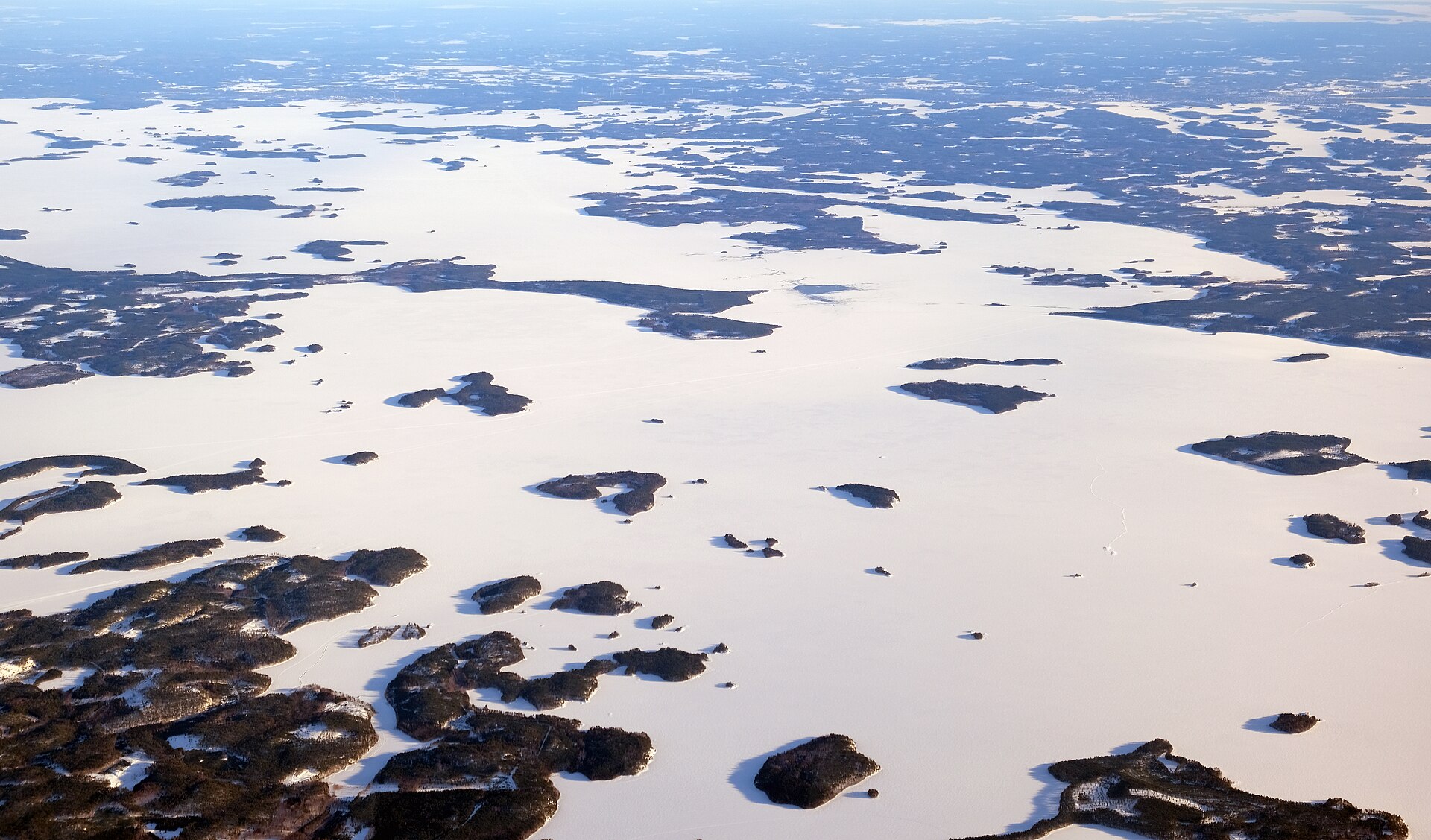
Lake Saimaa from the air — Finland’s inland sea of islands and forest.
Wikimedia Commons · File:Lake Saimaa aerial.jpg · Photo by kallerna · CC BY-SA 4.0
Language, ice, and the first Finns
Denmark, Norway, Sweden, and Russia speak Indo-European languages. Finnish does not. It belongs with Estonian and Hungarian in the Finno-Ugric family. The kinship with Hungarian diverged some six thousand years ago, which is a clue that Finland’s deep past is not simply a northern branch of the rest of Europe.
People were on this ground in the last interglacial, more than a hundred thousand years ago. Then ice covered the Nordics again. When it withdrew, settlers returned. Among the finds is the Antrea net, a fishing net more than eight thousand years old.
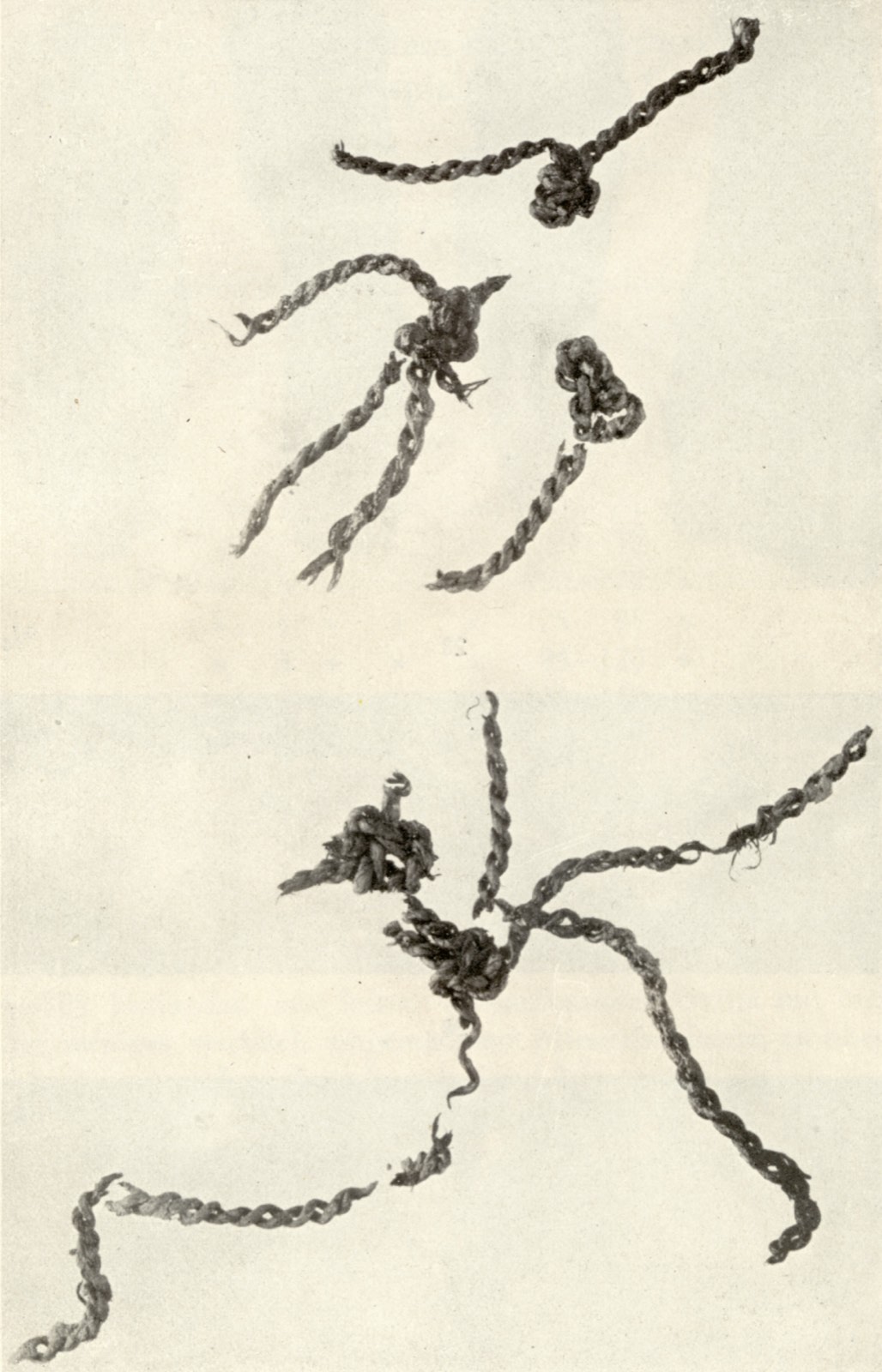
The Antrea net — among the world’s oldest surviving fishing nets, more than eight thousand years old.
Wikimedia Commons · File:AntreaNet.jpg · Sakari Pälsi · Public domain
Indo-European culture, likely spreading from the Pontic steppe with cattle, horses, and new techniques, remade much of Europe. Finland, like Estonia and Hungary, sits outside that main story. One reading is that Finnish absorbed Indo-European influence without becoming Indo-European; what the Finns took was agriculture. The Sámi, whose languages share a Proto-Uralic root with Finnish, long stayed outside that farming world.
The early politics of the region are poorly recorded. Swedish Viking runestones are the first written mentions of a “land of the Finns.” Swedes both raided and traded with the tribes and petty powers across the Gulf.
Under the Swedish cross
By the twelfth century Sweden was Christian and Finland still pagan. Around 1150, under the banner of a crusade, Eric the Holy brought Finland under Swedish rule. The Finns were defeated and forcibly converted. Swedish settlers and priests followed; Bishop Henrik of Uppsala became Finland’s patron saint.
Danes, Karelians, and Novgorod all pressed the Swedish foothold. Birger Jarl drove the border east in 1249. When Russians struck Häme in 1293, Sweden pushed further and founded the castle of Viborg — today’s Vyborg.
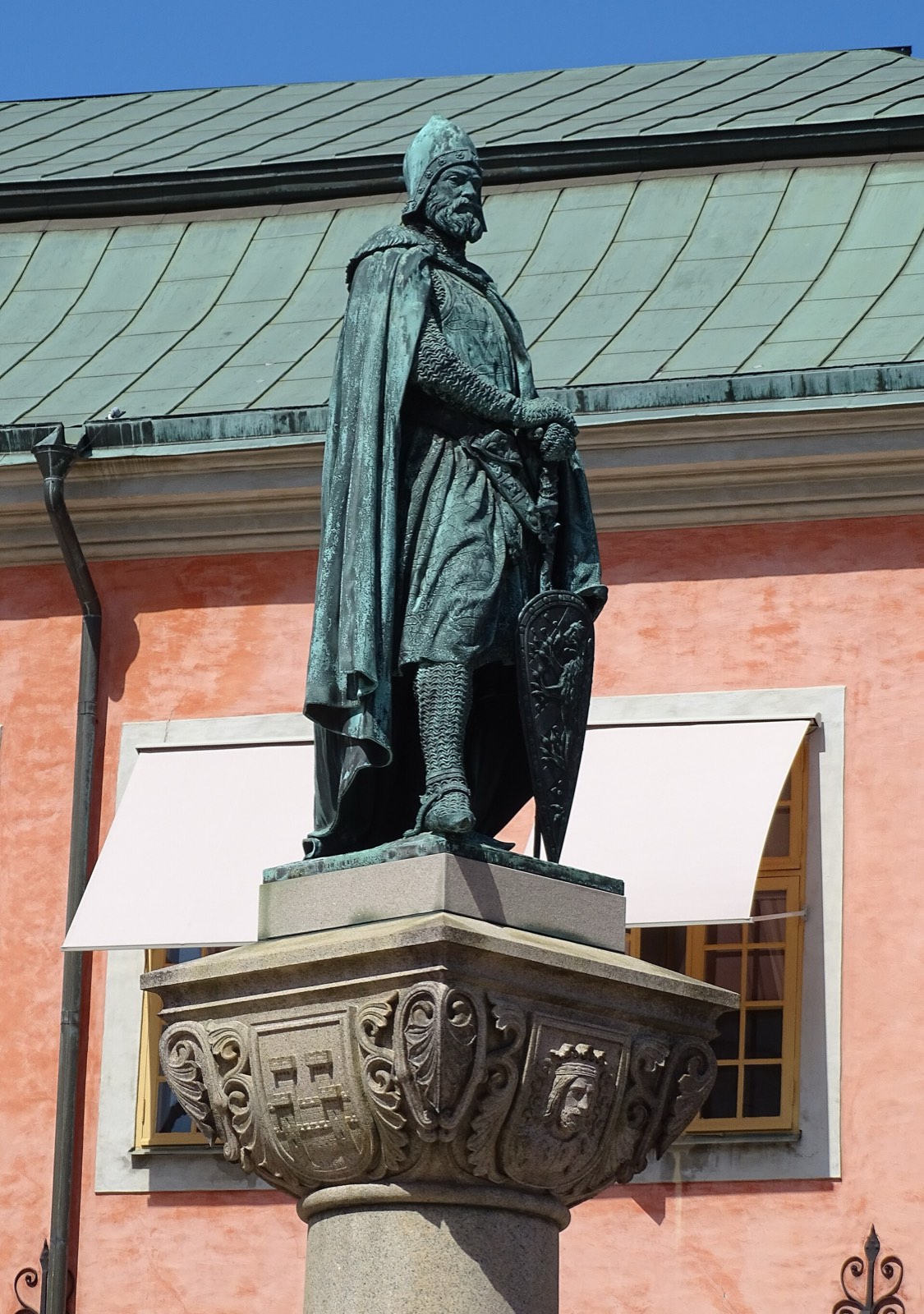
Birger Jarl on Riddarholmen, Stockholm — the founder of lasting Swedish dominion in Finland.
Wikimedia Commons · File:Stockholm Riddarholmen Birger Jarl 01.jpg · Photo by Ad Meskens · CC BY-SA 4.0
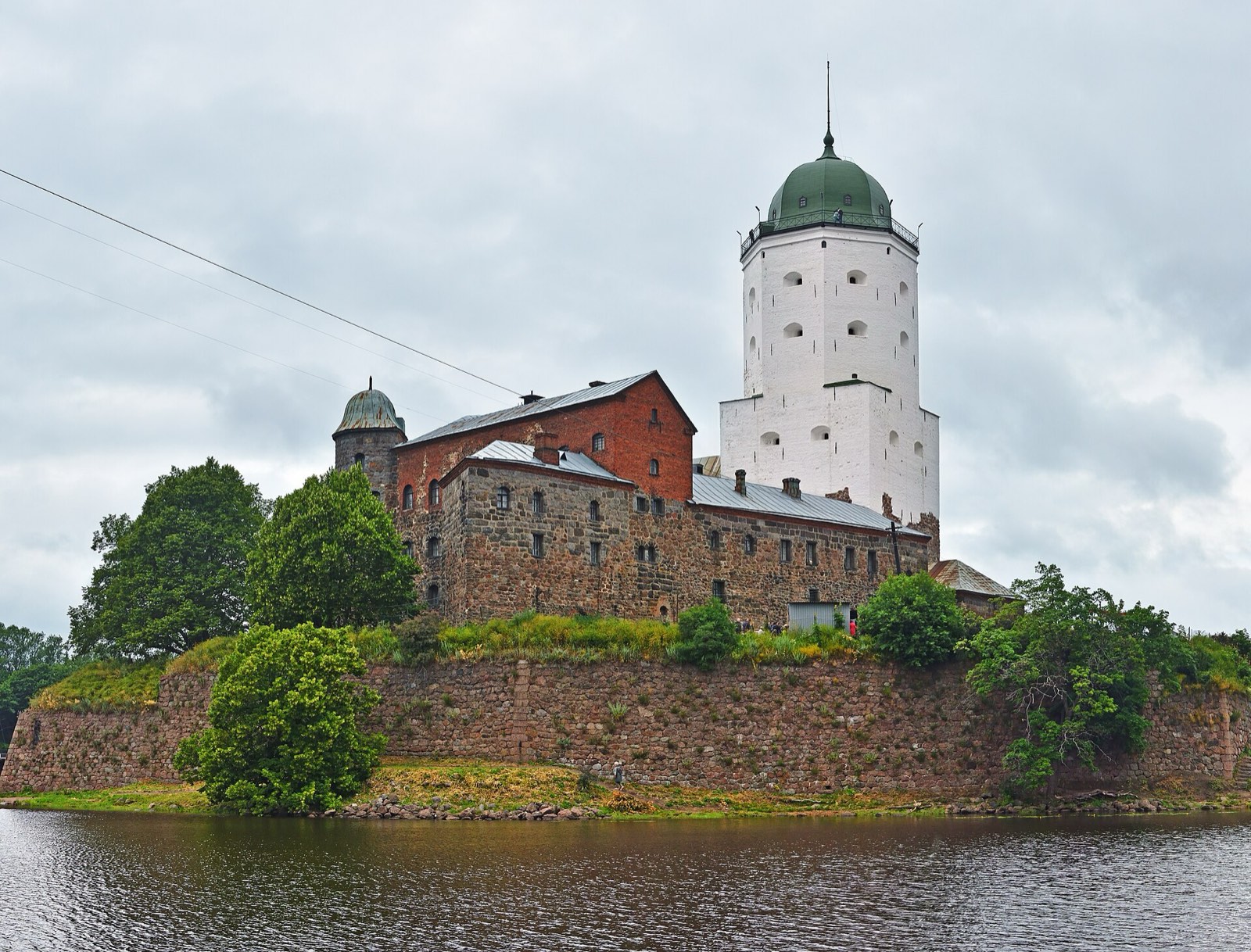
Vyborg Castle — the eastern stronghold founded after the push of 1293.
Wikimedia Commons · File:Vyborg Castle 006 7718.jpg · Photo by Ludvig14 · CC BY-SA 4.0
The Treaty of Nöteborg fixed a border with Novgorod and formalised Swedish dominion. Administration followed Swedish patterns. From 1362 Finns could take part in electing Sweden’s king, though great lords often treated Finland as a private domain. A quieter stretch under Sten Sture the Elder (1470–1497) ended in border war with Muscovy; the peace of 1497 only confirmed the status quo.
Reformation, Helsinki, Club War
In the early sixteenth century Denmark seized Finnish coastal towns. After Sten Sture the Younger fell in 1520, Christian II of the Kalmar Union held Finland with the rest of Sweden. Finns backed Gustav Vasa’s revolt; once Stockholm was retaken in 1523, the Danes were driven out. The Västerås Riksdag of 1527 opened the Reformation. Bishop Mikael Agricola (d. 1557) gave it lasting shape in Finnish letters.
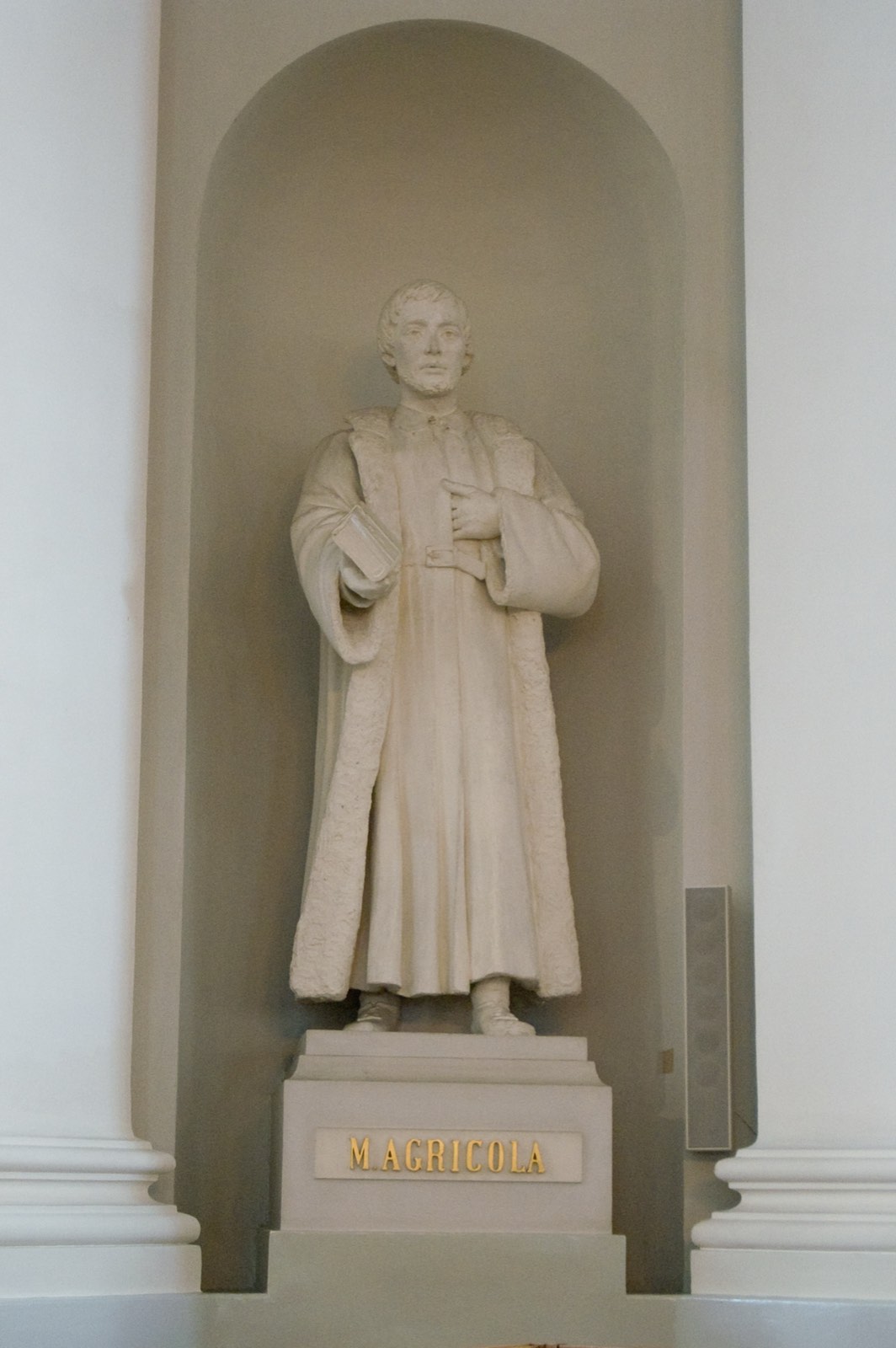
Statue of Mikael Agricola — the bishop who put the Reformation into Finnish.
Wikimedia Commons · File:Mikael Agricola.jpg · Photo by Fanny Schertzer · CC BY-SA 2.5
Administration then shifted toward Finland. Crown estates were built up. A 1550 ordinance promoted trade and shipping and ordered the founding of Helsinki. During war with Ivan IV (1555–1557), Gustav Vasa made Finland a duchy for his son Johan, later John III. Nobles squeezed the peasantry and feuded with Russia. The Peace of Teusina in 1595 drew Finland’s border to the Arctic Ocean. In the chaos of late-sixteenth-century Sweden, Finnish peasants rose in the Club War (Cudgel War) of 1596–1597 and were bloodily crushed.
Great-power Sweden
Under Charles IX (1604–1611) the high nobility was broken and tied into the Swedish peerage. Government centred on Stockholm, with uniform tax and administration across the realm — though Finland kept a measure of self-rule, including a Riksdag with the king in Helsinki in 1616. The Peace of Stolbovo in 1617 secured the Russian border by adding Käkisalmi (Kexholm) on Lake Ladoga.
Finns fought in large numbers in Sweden’s Thirty Years’ War and shared the spoils, while Finland paid in conscription and tax. Per Brahe, as governor-general for Queen Christina (1637–1640, 1648–1651), built Finnish agencies and founded the country’s first university at Turku in 1640. Late in Christina’s reign, grants of crown land to the nobility — eventually about two thirds of the territory — ruined many farmers, hardened taxes on townsmen, and strangled trade with monopolies.
Famine, Northern War, Suomenlinna
Bad harvests in the mid-1690s killed roughly a quarter of the people. Before Finland had recovered, Charles XII dragged Sweden into the Great Northern War. Land was lost to Russia; talk of independence grew, especially among the Finnish nobility.
To blunt Russian pressure the island fortress of Sveaborg — Suomenlinna, “Castle of Finland” — was begun in 1748–1749 and nicknamed the Nordic Gibraltar.
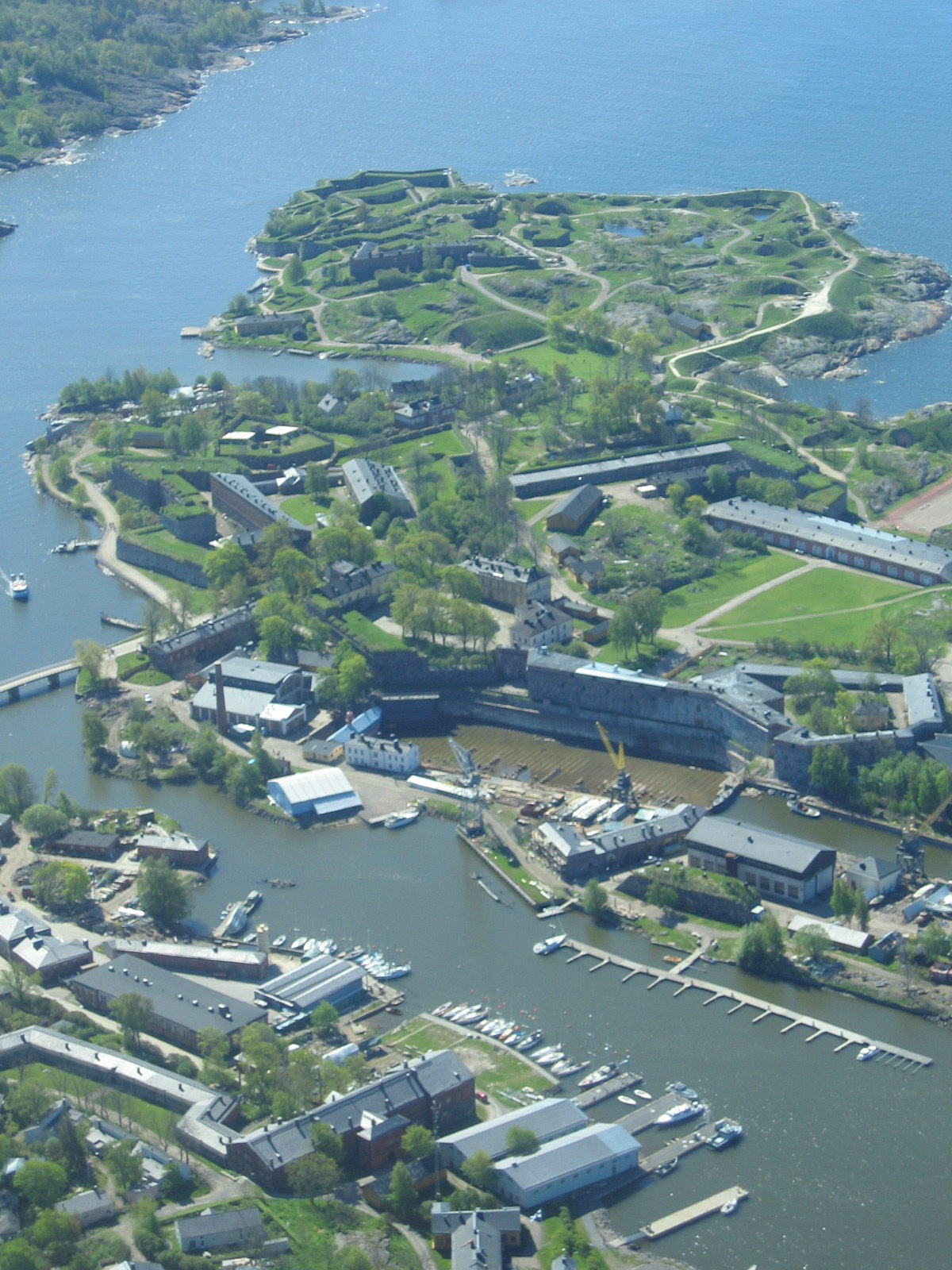
Suomenlinna (Sveaborg) from the air — the “Nordic Gibraltar” that still failed to stop 1808.
Wikimedia Commons · File:Suomenlinna from air.jpg · Photo by Henri Bergius · CC BY-SA 2.0
Grand Duchy
The fortress did not stop Russia. When Sweden fought Napoleon’s camp, Tsar Alexander I, as Napoleon’s ally, invaded Finland without a declaration of war. By the Treaty of Fredrikshamn on 17 September 1809 Sweden lost all of Finland. It became the autonomous Grand Duchy of Finland under the Russian emperor.
Autonomy swung between poles. Printing books in Finnish was banned in 1850. From 1863 Finnish was made equal with Swedish — until then the language of peasants against a Swedish-speaking elite. Elias Lönnrot shaped the national epic, the Kalevala. Russification met Finnish resistance, then harder Russification. Russia’s defeat in the Russo-Japanese War of 1904–1905 opened a period of unrest, which Finns used to create a modern parliament and universal suffrage.
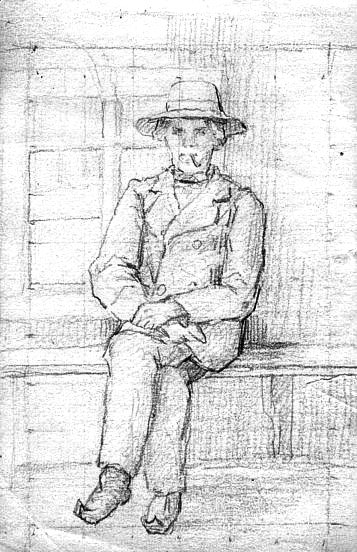
Elias Lönnrot — the physician-scholar who shaped the Kalevala.
Wikimedia Commons · File:Elias Lönnrot.jpg · Unknown · Public domain
Republic
When the Russian Empire collapsed in 1917, Finland declared independence. Civil war followed in 1918: Reds — socialists, with Soviet support — against Whites — conservatives, with German support. The Whites won, and Finland left Russia’s orbit for Germany’s. A brief project to install a king was dropped. In 1919 the country became the Republic of Finland. The Åland Islands were awarded to Finland as a demilitarised, self-governing province.
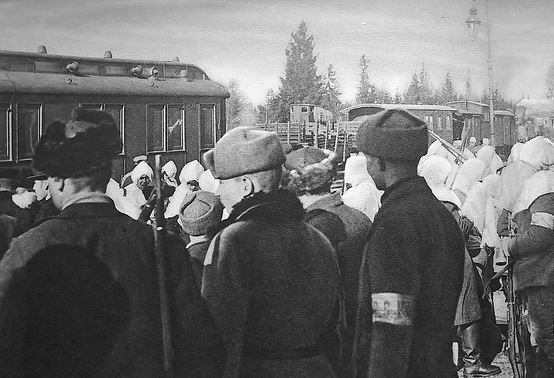
White Guards at Vilppula, 1918 — the side that won the civil war.
Wikimedia Commons · File:Whites in Vilppula 1918.jpg · Unknown · Public domain
Winter War and after
Finland leaned toward the other Nordics — welfare reforms, neutrality — until the Molotov–Ribbentrop Pact of August 1939 redrew the map. Moscow demanded territory; Helsinki refused. On 30 November 1939 the Soviet Union invaded. The Winter War should have been brief. Ill-equipped for snow, poorly led, and overconfident in armour, the Red Army suffered heavily on Finnish ground. Ski troops and knowledge of the forest cut supply lines and flanks. Numbers still decided the outcome: Finland lost the war and large tracts of land, including Viipuri (Viborg), then its second city.
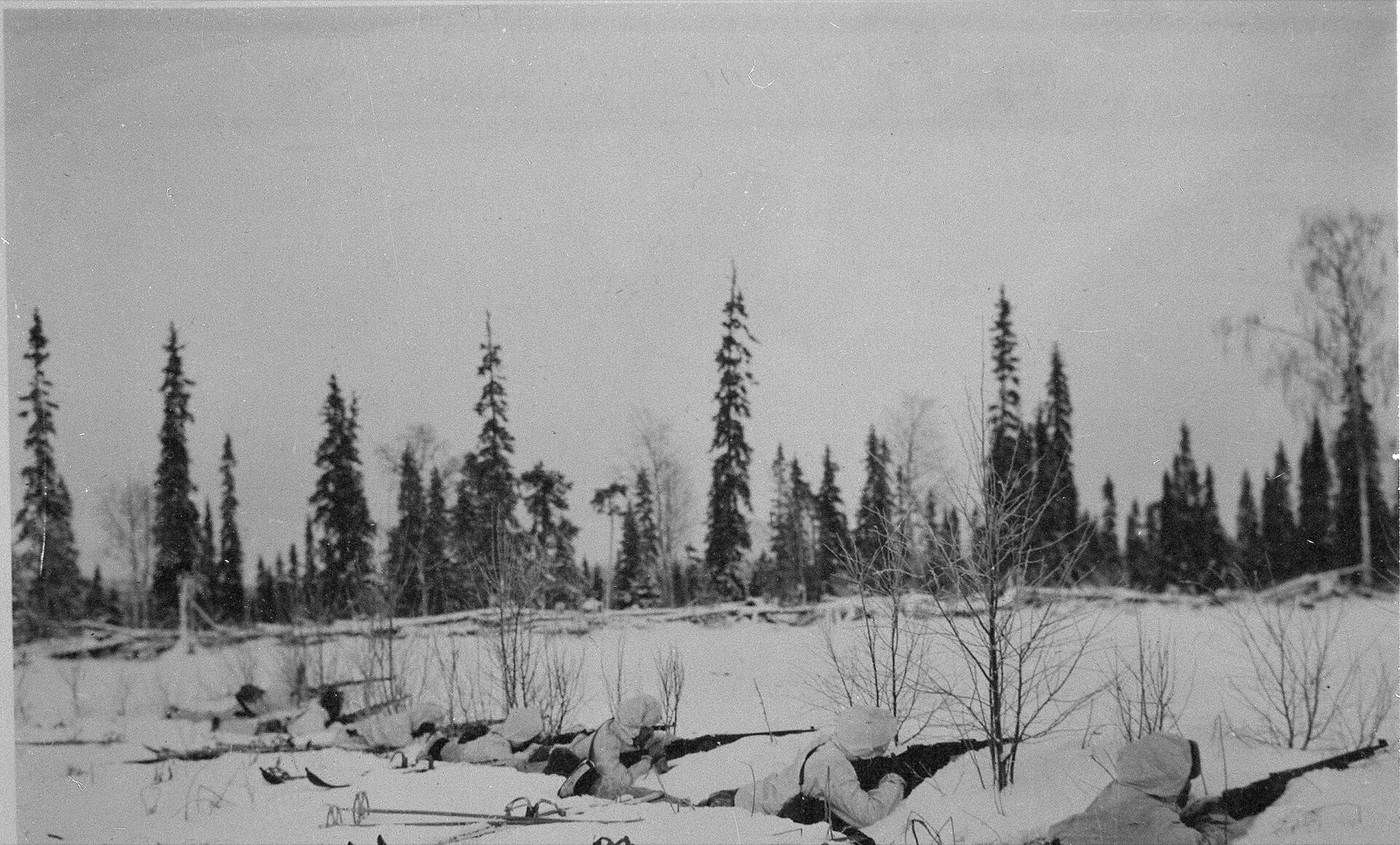
A Finnish ski patrol in Lapland — the Winter War’s answer to a heavier army.
Wikimedia Commons · File:Ski patrol in Finnish Lapland.jpg · Unknown · Public domain
Defeat pushed Finland toward Germany. When Germany attacked the Soviet Union in 1941, Finnish forces joined the Continuation War, reclaiming lost land but never cutting the Murmansk railway that linked the Soviets to the Allies. As the Allies gained the upper hand, Finland made peace with Moscow in 1944, ceded territory again, and owed heavy reparations in goods.
Paying them meant expanding the metal industry. Displaced Karelians and veterans who had been promised land were resettled; by 1950 some 56,000 families had new farms. The farms were often small, and that fragmentation later weighed on agriculture.
Between Moscow and Brussels
The 1948 Treaty of Friendship, Cooperation, and Mutual Assistance tied Finland to the Soviet Union until 1991. It bought a working relationship and cost Marshall Aid and early OECD membership. Finland entered the UN in 1955 despite Soviet veto attempts.
The 1970s brought political crises over inflation, unemployment, and foreign debt. Soviet trade had taken a quarter to a third of exports; when that empire fell, the shock deepened. GDP had grown for decades, then the early 1990s delivered the worst depression since the war. Cuts in public spending and a devaluation of the markka to help exports slowly repaired the damage. After long argument, Finland joined the European Union in 1995.
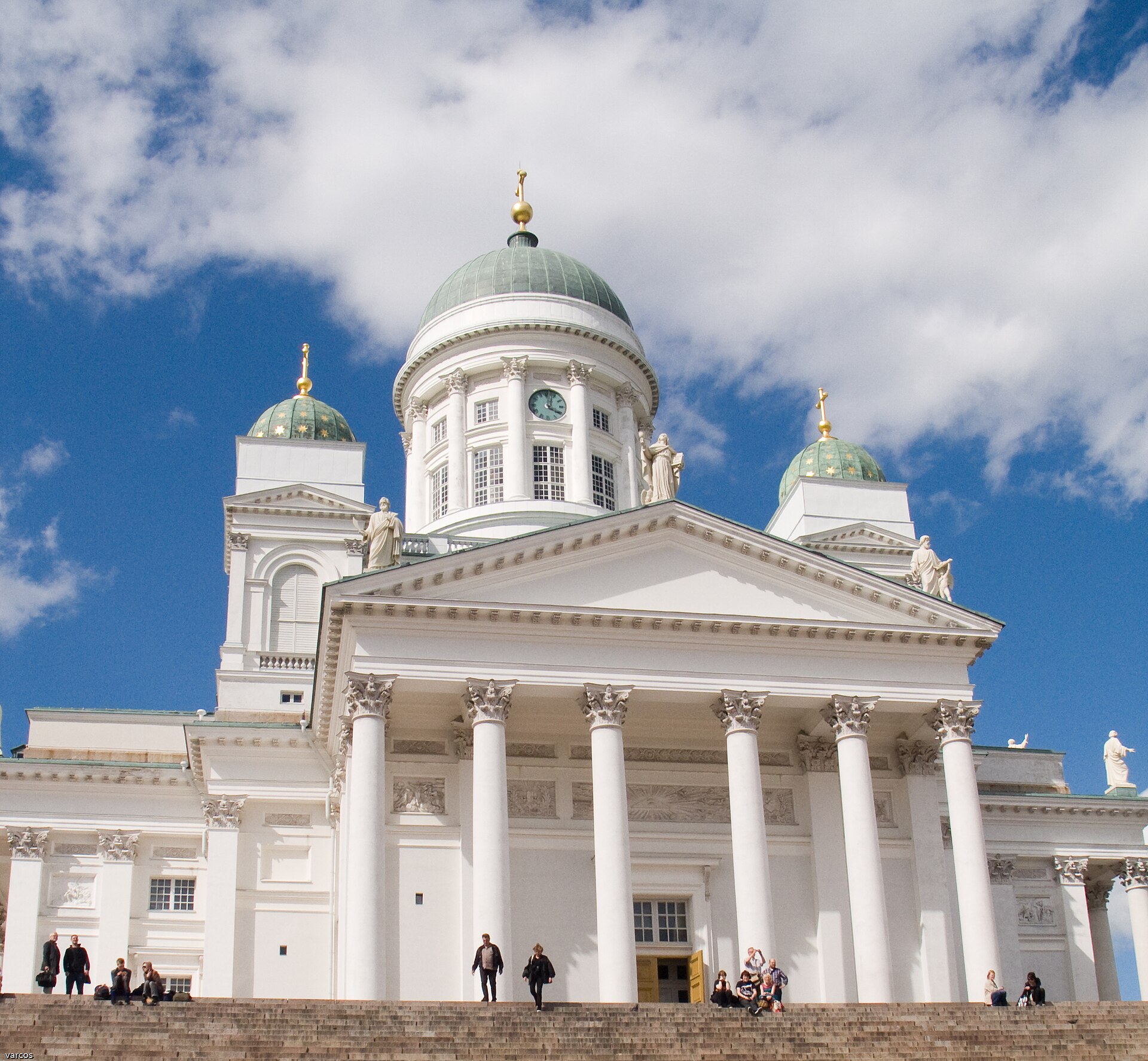
Helsinki Cathedral — the neoclassical heart of the capital founded under Swedish rule and rebuilt as a republic.
Wikimedia Commons · File:Helsinki Cathedral.jpg · Photo by Varcos · CC BY-SA 3.0
By 2020 it topped the UN’s World Happiness Report; its schools are routinely ranked among the world’s best. GDP still trails the richer Scandinavian neighbours, but the economy is often praised for competitiveness and room to grow.
Nordic but not Scandinavian, long held by Sweden and pressed by Russia, Finland kept a language of its own and, when it had to, a hard fight. What followed was a small republic of lakes and schools, and a hard-won peace.
Continue on the map
Related films
Sweden · Nordic
History of Sweden
Vikings, Vasa, and a great power that learned to live without an empire.
Norway · Nordic
History of Norway
Fjords, kings, occupation, and oil — the history of Norway.
Iceland · Nordic
History of Iceland
Settlement, Althing, volcanoes, and a republic in the North Atlantic.
Lithuania · Baltic
History of Lithuania
From ancient pagan roots to Europe’s largest medieval state — and the long fight back to independence.